;


Biomedical Equipment List


Equipment List:


Anesthesia machine
Aspiration/Suction Pump
Autoclave / Sterilizer
Blood Chemistry analyzer
C-Arm system – unit, monitor, table
Cast Saw
Centrifuge
Coagulation analyzer
Colposcopy Equipment
Computer equipment
CPAP/Humidifier
Defibrillator
Dermatome
Diagnostic Ultrasound with probes
ECG/EKG
Electrosurgical Unit
Endoscopy system – scope, insufflator, light source, etc.
Exam Light
Exam Table
Feeding Pump
Fetal Doppler
Fetal Monitor


Hospital Bed – med/surg, birthing
Infant Incubator
Infant Warmer
Infusion Pump
IV Pole
Lab Equipment – incubator, shaker, washer, scale
Lab Microscope
Lab Refrigerator
Laryngoscope
Nebulizer
Nerve stimulator
Ophthalmic Equipment – slit lamp, surgical scope
Otoscope/Ophthalmoscope
Oxygen Concentrator
Oxygen Cylinder and Regulator
Patient Scale – adult and infant
Patient Warmer
Portable Glucose Monitor
Pulse Oximeter
Sequential Compression Device
Sphygmomanometer – aneroid and digital Stethoscope
Stretcher
Surgical Headlamp
Surgical Light Head – ceiling mounted and portable
Surgical Microscope
Surgical Table – surgical and delivery
Thermometer
Traction Unit
Ventilator
Vital Sign Monitor
Wheelchair
X-Ray equipment – portable, dental, mammography
X-ray view box


1. Medical Equiptment Reparing (ALL)

EXPERET STAFF


GOOD HANDLING


CARE IS CONCERN


2.Equiptment On Rent


 →SALES
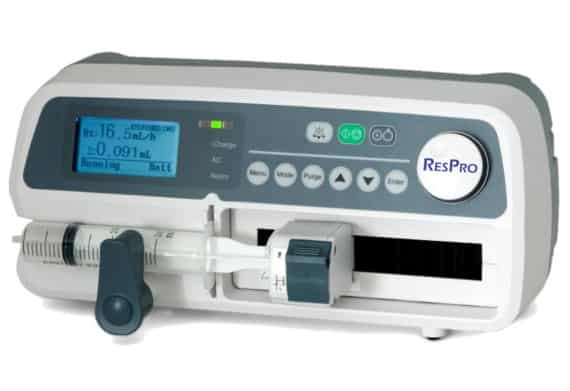
1.Syringe pump-
  
Features and Specifications

ModelSP40 Electric portable syringe infusion pump with Drug Library
Syringe Size 10, 20, 30, 50 / 60 ml
Applicable Syringe  Compatible with syringe of any standard
VTBI0.1-9999 ml
<1000 ml in 0.1 ml increments
≥1000 ml in 1 ml increments
Flow RateSyringe 10 ml: 0.1-400 ml/h
Syringe 20 ml: 0.1-600 ml/h
Syringe 30 ml: 0.1-900 ml/h
Syringe 50/60 ml:
  • 0.1-1300 ml/h
  • <100 ml/h in 0.1 ml/h increments
  • ≥100 ml/h in 1 ml/h increments
 
Syringe Pump
_______________________________________________________
Syringe Pump
Bolus RateSyringe 10 ml: 400 ml/h
Syringe 20 ml: 600 ml/h
Syringe 30 ml: 900 ml/h
Syringe 50/60 ml: 1300 ml/h
Drug Library Available
Occlusion Sensitivity  High, medium, low
Power Supply, AC  110 / 230 V (optional), 50 / 60 Hz, 20 VA
Battery 9.6 ± 1.6 V, rechargeable
Battery Life 7 hours at 5 ml/h
Anti-BolusAutomatic
Accuracy  ±2% (mechanical accuracy ≤1%)
Infusion Mode  Memory mode
Flow rate: ml/min, ml/h
Time-based
Body weight: mg/kg/min, mg/kg/h, ug/kg/min, ug/kg/h etc.
KVO Rate0.1-1 ml/h (in 0.1 ml/h increments)
AlarmsOcclusion, near empty, end program, low battery, end battery,  AC power off, motor malfunction, system malfunction, reminder alarm, pressure sensor error, syringe installation error, syringe drop off
 
Syringe Pump
______________________________________________________
Syringe Pump
Additional FeaturesReal-time infused volume, automatic power switching, automatic syringe identification, mute key, purge, bolus, anti-bolus, system memory
Relative Humidity  20 - 90%
Atmoshperic Pressure  860 - 1060 hpa
Size  314*167*140 mm
Weight  2.5 kg
Safety Classification  Class II, Type CF
Working Temperature  5 - 40oC


 →SALES

2.Patient monitor


Patient monitoring system

  1. 1. PATIENT MONITORING SYSTEMS SUNEETHA.G SYNERGY BUSINESS SCHOOL
  2. 2. INTRODUCTION OF PATIENT MONITORING SYSTEMS  The Patient Monitoring System (PMS) is a very critical monitoring systems, it is used for monitoring physiological signals including Electrocardiograph (ECG), Respiration , Invasive and Non-Invasive Blood Pressure, Oxygen Saturation in Human Blood (SpO2), Body Temperature and other Gases etc.  In PMS, the multiple sensor and electrodes is used for receiving physiological signals like as ECG Electrodes, SpO2Finger Sensor, Blood Pressure Cuff and Temperature Probe to measure the physiological signals.
  3. 3. INTRODUCTION OF PATIENT MONITORING SYSTEMS….  During treatment, it is highly important to continuously monitor the vital physiological signs of the patient. Therefore , patient monitoring systems has always been occupying a very important position in the field of medical devices.  •  The continuous improvement of technologies not only helps us transmit the vital physiological signs to the medical personnel but also simplifies the measurement and as a result raises the monitoring efficiency of patients
  4. 4. CLASSES OF PATIENT MONITORING SYSTEM  In the past, the dominant products manufactured by medical device manufacturers are mainly those for single parameter measurement. Nowadays however, a multi-parameter patient monitor is commonly used.  1.Single-Parameters Monitoring Systems  2.Multi-Parameter Patient Monitoring Systems
  5. 5. SINGLE-PARAMETERSMONITORING SYSTEMS The single parameter monitoring system is available for measuring blood pressure of a human body, ECG (Electrocardiograph) monitor, SpO2 (Oxygen Saturation in Blood) monitor et..
  6. 6. MULTI-PARAMETER PATIENT MONITORINGSYSTEM  A multi-parameter Patient Monitoring System (PMS) is used for multiple critical physiological signs of the patient to transmit the vital information like Electro cardiograph , Respiration Rate, Blood pressure etc. Therefore, multi parameter PMS has always been occupying a very significant position in the field of medical devices.
  7. 7.  Most diseases of the heart and of the circulatory system , referred to as cardiovascular diseases, strike with out warning and prompt treatment is required if death is to beaverted.  Such treatment is best provided in a specialized area of hospital referred to as “intensive care unit.”(ICU).  These specialized hospital units provide constant observation of the subject, constant monitoring of the  subject’s physiological condition and provide immediate emergency treatment whenever it is required.
  8. 8. THREE IMPORTANT INTENSIVE CARE UNITS  1. Coronary intensive care units used for treatment of diseases of the heart such as the heart attacks  2. Stroke intensive care Units used for treatment of diseases of the circulatory system such as stroke.  3. Pulmonary intensive care units Pulmonary intensive care unit s are used for treatment of respiratory diseases 
  9. 9. PHYSIOLOGICAL FUNCTIONS TO BE MONITOREDDURING INTENSIVE CARE UNIT  1. ECG Monitoring  2. Blood pressure Monitoring  3. Respiration  4. Body temperature
  10. 10. ECG MONITORING
  11. 11. ECG MONITORING  The principal physiological signal monitored in an intensive care unit is often the electrocardiogram. The electrocardiogram is usually monitored in the lead-II configuration with two active electrodes.  These two electrodes are placed approximately 12inches apart along the maximum potential axis of the subject’s heart.  A third electrode (ground) should be located elsewhere on the chest. This electrocardiogram monitoring configuration is referred to as three-lead chest cluster.  The electrodes used for ECG monitoring during intensive care must be suited for long term monitoring applications.  The set of leads used for monitoring purpose is called ‘rhythm’  strip and its purpose is just to note the heart beat and not for analyzing it.
  12. 12. Blood Pressure Monitoring  The second physiological parameter often of prime importance in intensive care monitoring is blood pressure.  Korotkoff system-Riva-Rocci Method  Blood pressure can be monitored using the automatic cuff pump and Korotkoff microphone blood- pressure measurement system this system is occasionally used in intensive care units. ,  It also possesses the disadvantage of it does not provide a continuous record of the subject’s blood pressure.  Thus, if for some reason the subjects blood pressure were to suddenly drop, this system may take some minutes or so to detect this pressure drop. 
  13. 13. Blood Pressure Monitoring……  PLETHYSMOGRAPH  Blood pressure monitoring with plethysmograph offers the least discomfort to the subject; however, it provides only a relative indication of the well being of the circulatory system rather than providing absolute values for diastolic and systolic pressure.  Digital blood pressure monitors are now-a-days often used in many intensive care units. Any intensive care unit may employ one or more of these techniques and indeed all three may be available if required.
  14. 14. BLOOD PRESSURE MONITORING
  15. 15. RESPIRATION MONITORING  It is often desirable to monitor the subject’s respiratory activity during intensive care ;  this may be accomplished with thermistor pneumograph placed in the subject’s nostril.  BODY TEMPERATURE   It is often also desirable to monitor body temperature in intensive care subjects via a rectal or armpit thermistor probe
  16. 16. CENTRAL NURSE’S STATION
  17. 17. CENTRAL NURSE’S STATION….  Multi connector cable connects the output form the four subject- monitoring sites located beside each intensive care bed to the central nurse’s station.  Each subject’s ECG is continuously displayed via a four channel CRT display. And also these signals are being recorded continuously on a memory loop tape recorder.  This tape recorder contains the previous one-minute ECG history for each subject by recording the ECG on a tape loop“one minute” in length
  18. 18. CENTRAL NURSE’S STATION….  Some central stations duplicate physiological indicators for relative blood pressure, respiratory activity and body temperature.  These indicators can be manually switched between the four beds or the switching may be activated by the alarm system with the monitors being automatically switched to the bed providing the alarm signal.  •  When an alarm is received at the central nurse’s station, it  may also be used to connect the appropriate ECG signal to as can converter and ECG chart recorder and to start the chart recorder.
  19. 19. Present Parameters in Patient Monitoring System  ECG 3/5/10 leads  Respiration  Invasive Blood Pressure (IBP)  Non Invasive Blood Pressure(NIBP)  Pulse Oxy Meter (SpO2)
  20. 20. Non invasive Blood pressure ECG MONITOR PULSE OXYMETER
  21. 21. FUTURE TRENDS IN PATIENT MONITORINGSY STEM  • Blood Gas Analyzer  • Drug Dosage calculator  • Drug Management System  • RFID in PMS  • Real Time Patient Location System  • Wearable PMS  • Telemetry / Telemedicine
  22. 22. WEARABLE PMS


An electrocardiogram is a safe procedure. There is no risk of electrical shock during the test because the electrodes used do not produce electricity. The electrodes only record the electrical activity of your heart.

How you prepare

No special preparations are necessary for a standard electrocardiogram. Tell your doctor about any medications and supplements you take. These can often affect the results of your test.

What you can expect

An electrocardiogram can be done in a doctor's office or hospital and is often done by a nurse or technician.

Before

You may be asked to change into a hospital gown. If you have hair on the parts of your body where the electrodes will be placed, the technician may shave the hair so that the patches stick.

Once you're ready, you'll be asked to lie on an examining table or bed.

During

During an ECG, up to 12 sensors (electrodes) will be attached to your chest and limbs. The electrodes are sticky patches with wires that connect to a monitor. They record the electrical signals that make your heart beat. A computer records the information and displays it as waves on a monitor or on paper.

You can breathe normally during the test, but you will need to lie still. Make sure you're warm and ready to lie still. Moving, talking or shivering may distort the test results. A standard ECG takes a few minutes.

After

You can resume your normal activities after your electrocardiogram.

Results

Your doctor may discuss your results with you the same day as your electrocardiogram or at your next appointment.

If your electrocardiogram is normal, you may not need any other tests. If the results show an abnormality with your heart, you may need another ECG or other diagnostic tests, such as an echocardiogram. Treatment depends on what's causing your signs and symptoms.

Your doctor will review the information recorded by the ECG machine and look for any problems with your heart, including:

  • Heart rate. Normally, heart rate can be measured by checking your pulse. An ECG may be helpful if your pulse is difficult to feel or too fast or too irregular to count accurately. An ECG can help your doctor identify an unusually fast heart rate (tachycardia) or an unusually slow heart rate (bradycardia).
  • Heart rhythm. An ECG can show heart rhythm irregularities (arrhythmias). These conditions may occur when any part of the heart's electrical system malfunctions. In other cases, medications, such as beta blockers, cocaine, amphetamines, and over-the-counter cold and allergy drugs, can trigger arrhythmias.
  • Heart attack. An ECG can show evidence of a previous heart attack or one that's in progress. The patterns on the ECG may indicate which part of your heart has been damaged, as well as the extent of the damage.
  • Inadequate blood and oxygen supply to the heart. An ECG done while you're having symptoms can help your doctor determine whether chest pain is caused by reduced blood flow to the heart muscle, such as with the chest pain of unstable angina.
  • Structural abnormalities. An ECG can provide clues about enlargement of the chambers or walls of the heart, heart defects and other heart problems.

If your doctor finds any problems on your ECG, he or she may order additional tests to see if treatment is necessary.